
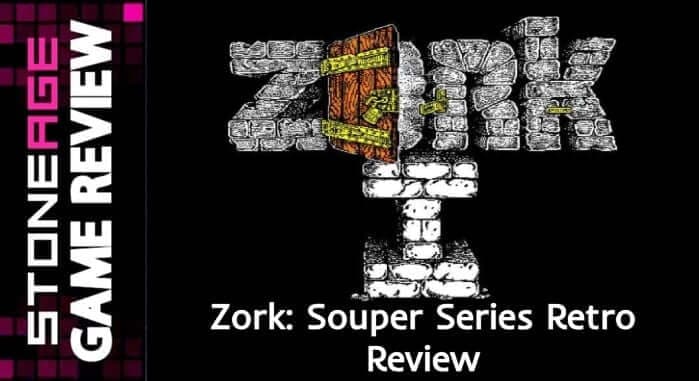
Zork: Souper Series Retro Review
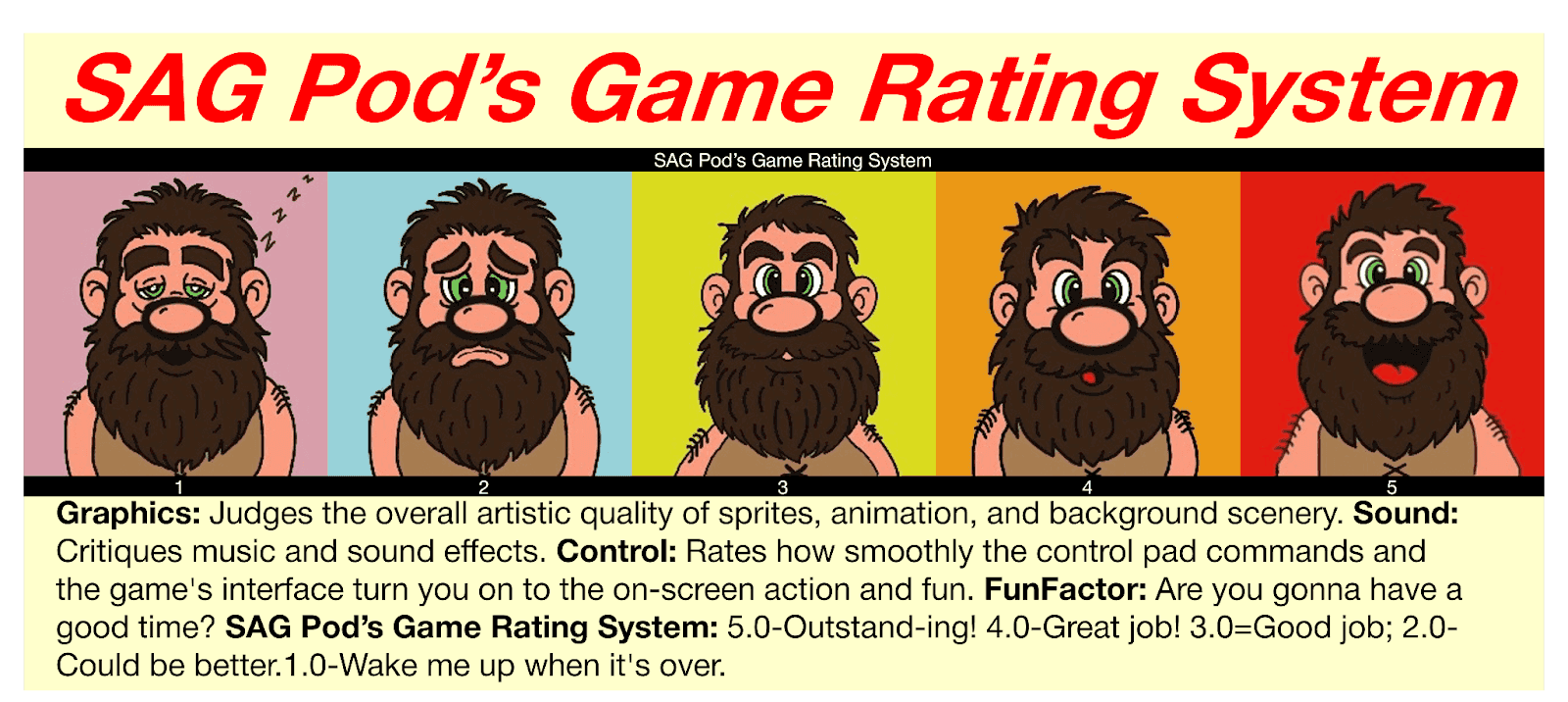
Hello friends. Dan Ryan here, you… there. Thank you so much for checking in and if you like what you see please comment and share. A little while ago Kris and I decided to take a concept from his movie podcast here, combine it with a thing we had been doing for a bit, the summer series, and create a new recurring segment for the SAG Pod, the Alphabet Souper Series. In said series we take turns picking a retro game to play over the course of a month in alphabetical order. (get it… souper series, like alphabet soup and a super version of the summer series… we’re quite clever) And while it has been quite fun, I felt like it would be a good idea to mix in some writing to go along with it, hence this post. Eagle eyed readers will note that I did not do one last month for the letter Y because well, Yo, Noid! is pretty bad and I try to avoid writing about things that suck because let’s face it, there’s more than enough negativity in the world. Submitted for your approval this is the Souper Series Retro Review for Zork. As with all reviews here on the blog I will be using the wholly original, not copied at all from any defunct gaming magazine, SAG Pod ranking system, which is explained below.
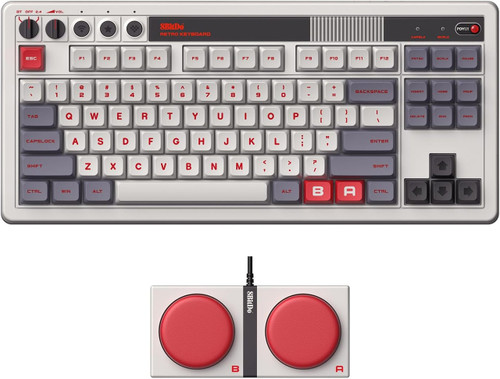
Before this episode I had never played through Zork. My only real experience with it, apart from knowing its significance in gaming history, was watching my cousin Jimmy pick out a copy of Zork II as a birthday present from our Aunt Sandi. We were at a now defunct computer store in northern New Jersey and Jimmy said the only thing he wanted to play on his new computer was the next Zork. As far as I was concerned if Jimmy liked something then it was most definitely the coolest thing ever. (he was right a lot of the time by the way, except for Faces of Death, that’s hot garbage and not worth watching) A short time later I asked Jimmy to show the game to me when I was at his house and he happily agreed. What I was met with was not exactly what I was expecting. I was coming in with the expectation of something like the Coleco games I was obsessed with. What I got was text. And Jimmy was so excited to share it that I pretended to be super into it. This all happened around 1985 or so. I was 4 and while I could read already, I definitely couldn’t read well enough to understand whatever the hell was happening on the screen. So, feeling insulated by the game (through no fault of its own) I promptly forgot about it and went back to my Coleco and Venture. As time went on I learned more about Zork and always meant to get around to it. Something always got in the way however and it wasn’t until this segment that I decided to buckle down and give it a go.
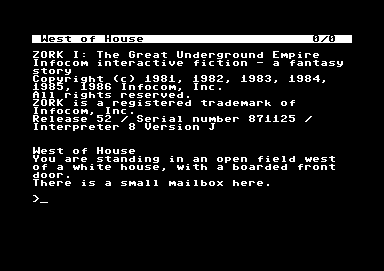
Retro Mechanical Keyboard for Windows & Android NES Edition - 8BitDo
$99.99
Retro Mechanical Keyboard for Windows & Android N Edition About this Product: Inspired by the classics. Compatible with Windows 10(1903) or above, and Android 9.0… read more

Sound: NA There is no sound in Zork. For the purposes of my playthrough for the show I went and found a “spooky” soundtrack on YouTube Music that provided the perfect background ambience for me. You might want something totally different though and that’s fine. Because of the lack of sound it’s impossible to give this a score though.

Fun Factor: 4.0 All that being said, I had a blast with Zork. I found the story compelling, the narration more than effective, and the puzzles clever and fun to solve. This game is a classic for a reason and in my opinion it holds up really well. Zork has the benefit of aging like a book. There are no weird polygonal graphics to contend with. No strange pop-in or questionable designs. You provide the graphics so if they suck well… I’m very much looking forward to playing this with my kids, 16 at the time of this writing, who have never experienced anything like this.
But I want to know what you think. Join the Stone Age Gamer discord, or you can find me on Bluesky to let me know your thoughts. In the immortal words of Billy Joel, “Life is a series of hellos and goodbyes; I'm afraid it's time for goodbye again.” See you soon.